

Menopause at work
Why it’s important
The benefits of supporting menopause at work include improving your organisation’s performance and bottom line, creating a great place to work, closing the gender pay gap and more.
Learn the compelling business case for supporting menopause at work; underpinned by the latest menopause research ad statistics.


What does menopause have to do with work?
Sometimes nothing, and it would be great if that was always the case. Some sail through with barely a symptom, but it’s not always an easy transition for all.
Statistics show that by talking about it openly, raising awareness and putting the right support in place, we can get to a point where menopause is no longer an issue in the workplace.
Today, it’s often hidden with potentially significant consequences for employees and employers.
is the average age to reach menopause
of the average workforce is menopausal
consider leaving work due to their symptoms
leave their role due to their symptoms
THE DEMOGRAPHIC CASE
Menopausal women are the fastest-growing workplace demographic
It’s estimated that of the 33m people employed in the UK, nearly 6m of those are experiencing menopause. While the average menopause age is 51, symptoms usually start around age 40, a stage called peri menopause.
These people are often at the peak of their professional careers, yet 25% consider quitting their jobs, 14% go part time and 10% actually quit their jobs.
By raising menopause awareness at work and providing menopause support, we can avoid this.
Acting now is important to retain talent and close the gender pay gap
THE CORPORATE SOCIAL RESPONSIBILTY (CSR) CASE
Supporting menopause at work is the right thing to do
3 in 4 of those going through menopause experience symptoms and for 1 in 4, symptoms are severe: from physical symptoms like hot flushes to psychological ones like stress, anxiety and loss of confidence.
This can have a huge impact on people’s lives: in and out of work. However, 46% will not disclose their symptoms through fear of negative perception. Giving people the confidence to speak to can make a huge difference.
experience menopause symptoms. For 25% of people, these are severe.
of people experience stress as a result of menopause.
do not disclose menopause symptoms due to fear they’d be negatively perceived.
There was so much going on physically and mentally that made me feel like I was failing. I feel so reassured.
Anonymous feedback from training session delivered by Henpicked: Menopause in the Workplace
THE EQUALITY ACT 2010
In 2024, the EHRC (Equality and Human Rights Commission) published its first menopause in the workplace guidance.
If menopause symptoms have a long term and substantial impact on someone’s ability to carry out normal day-to-day activities, these symptoms could be considered a disability.
If menopause symptoms amount to a disability, an employer will be under legal obligation to make reasonable adjustments.
THE LEGAL CASE
Menopause symptoms can be considered a disability at work
A growing number of successful tribunal decisions have been based on equality and health and safety legislation.
Employers never want issues to get this far, and making short-term investment, and taking steps to provide menopause can help protect them from legal entanglements.
Did you know?
We supported the Equality and Human Rights Commission to create the menopause at work guidance, and our members are referenced as inspirational case studies
THE BUSINESS CASE
Being menopause friendly helps your financial bottom line
Educating and informing leaders and managers to understand what menopause is, how it can affect an employee and how your business can help means they can have great conversations and provide the right support at work.
It’s the right thing to do, and if that’s not enough, it helps your organisation’s performance and bottom line too.
THE GENDER EQUITY CASE
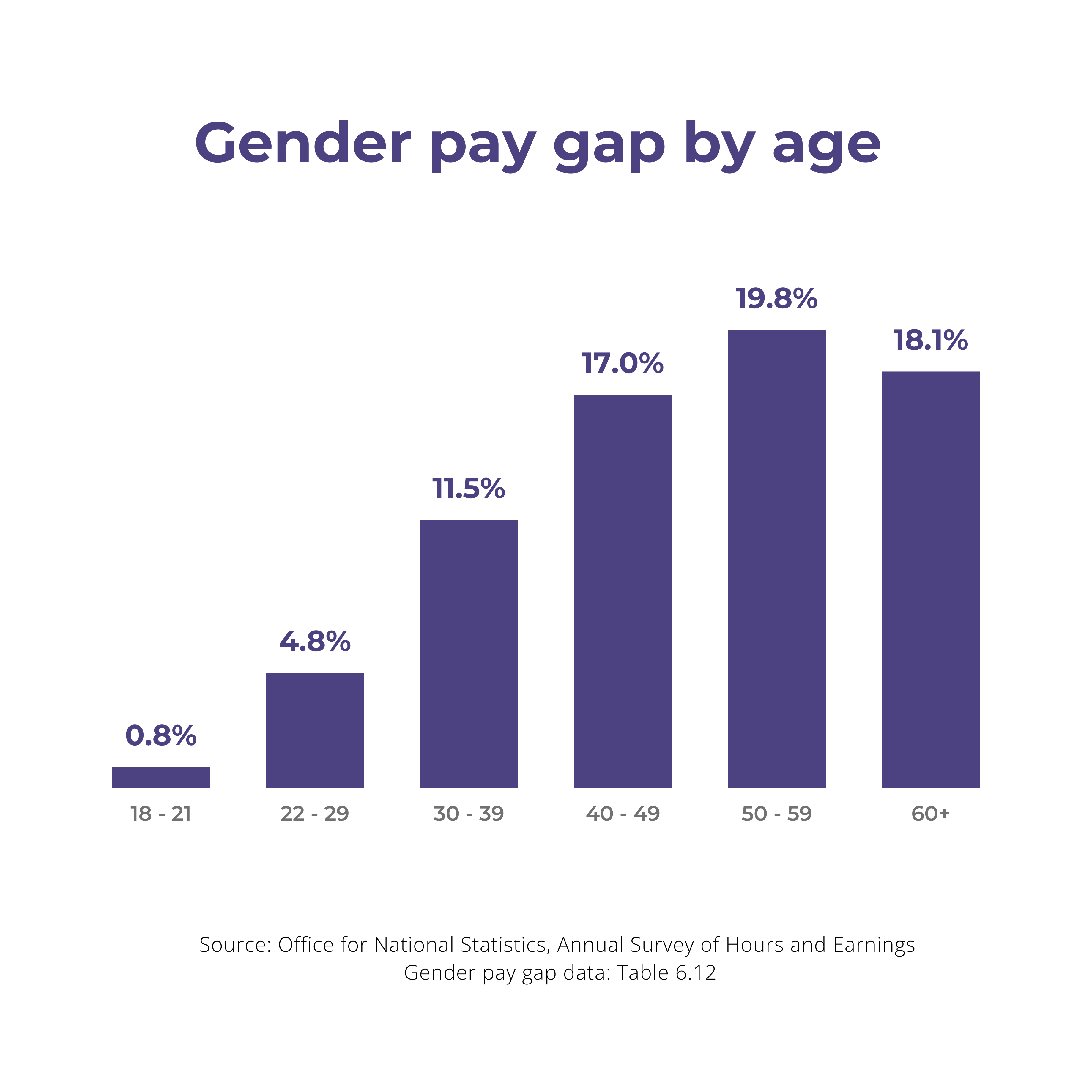
The gender pay gap widens with age
When you consider symptoms like loss of confidence and stress, it’s not surprising to learn that 14% of menopausal people go part-time and 8% don’t apply for promotion. This may contribute to the gender pay gap which widens significantly with age.
Giving people the confidence to speak up and providing them with the support and adjustments they need can enable them to continue thriving at work.
I consider The Menopause Friendly Accreditation as the mark of excellence for menopause at work
The Rt Hon Caroline Nokes MP – Chair of the Women and Equalities Committee

Start your Menopause Friendly journey today…
Begin your journey to being a menopause friendly employer instantly by joining menopause friendly membership.
We have a range of membership options to suit various organisation sizes and required levels of support.
As soon as you join, you’ll unlock all membership benefits, including access to The Menopause Friendly standards.
Complete the form to receive membership options for your organisation, a personalised quote, and joining details straight to your inbox.


Learn how we can help your organisation
Want to learn more about what it means to be menopause friendly, how your organisation can benefit or how we can help?
We’d love to chat. Get in touch using this form and a member of our expert team will get back to you very soon.